Environmental factors, aging, and human errors can cause sewer line damage. Tree roots, freeze-thaw cycles, and careless waste disposal are the most common causes of sewer line damage in Colorado Springs. In Colorado Springs, sewer pipes face pressure from climate conditions, soil movement, aging materials, and everyday household habits. Understanding what puts your system at risk can help you prevent costly repairs and protect your property long term. Below are the most important questions homeowners ask about sewer pipe damage.
Table of contents
- 1. What Damages Sewer Pipes Beneath Your Yard?
- 2. How Does Colorado Springs Climate and Soil Affect Sewer Pipes?
- 3. Are Older Sewer Pipes More Likely to Fail?
- 4. What Are the Warning Signs of Sewer Pipe Damage?
- 5. Can Construction, Water Pressure, or Poor Installation Cause Damage?
- How Can Homeowners Protect Their Sewer Pipes?
- Final Thoughts
Estimated reading time: 4 minutes
1. What Damages Sewer Pipes Beneath Your Yard?
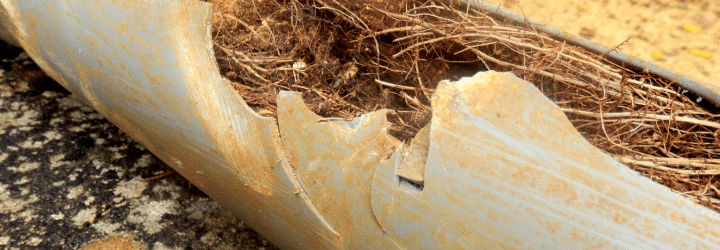
Several factors contribute to sewer line damage in Colorado Springs. Tree roots are one of the most common causes. Roots seek moisture and can enter through small cracks or loose joints, gradually expanding and creating blockages. Freeze-thaw cycles also play a major role. Temperature swings cause pipes to expand and contract, which may lead to cracks or separation over time. In addition, flushing wipes, grease, and other improper items increase pressure inside the line and raise the risk of damage.
Resource: research.fs.usda.gov
2. How Does Colorado Springs Climate and Soil Affect Sewer Pipes?
Colorado Springs experiences wide temperature changes throughout the year. Repeated freezing and thawing put stress on underground pipes. Water expands as it freezes, which can cause cracking or even bursting in vulnerable sections. Local soil conditions also contribute to damage. Expansive clay soils absorb moisture and swell, then shrink during dry periods. This constant movement can shift, squeeze, or pull apart sewer lines, especially older systems.
3. Are Older Sewer Pipes More Likely to Fail?
Yes. Many older homes have sewer lines made of clay, cast iron, or Orangeburg. These materials are more prone to corrosion, cracking, and root intrusion. While clay and cast iron pipes can last decades, they are more vulnerable as they age. Modern PVC piping tends to resist corrosion and root intrusion more effectively. A professional inspection can determine the material and condition of your current system and identify signs of wear before a break occurs.
4. What Are the Warning Signs of Sewer Pipe Damage?
Several symptoms may indicate a problem beneath your yard, including frequent backups or slow drains, gurgling sounds from toilets or drains, sewage odors inside or outside the home, and wet, soft, or sunken areas in the yard. Ignoring these signs can allow small cracks or blockages to worsen. Early detection often means simpler repairs and less disruption to your property.
Resource: nashuanh.gov
5. Can Construction, Water Pressure, or Poor Installation Cause Damage?
Yes. Heavy equipment used during construction can crush or misalign sewer lines if they are not properly located beforehand. Improper installation or substandard repairs may result in weak joints or poor alignment that fail over time. Excessive water pressure within the system can also strain pipes and increase the likelihood of leaks or ruptures. Professional evaluation ensures your system is installed correctly and functioning under safe pressure levels.
How Can Homeowners Protect Their Sewer Pipes?
Preventive care plays a key role in protecting your sewer system. Avoid planting invasive trees near sewer lines. Dispose of grease, wipes, and hygiene products in the trash rather than flushing them down the toilet. Schedule periodic inspections, especially if your home is older or you plan major landscaping or construction.
Final Thoughts
Sewer pipe damage often develops gradually due to shifting soil, temperature extremes, aging materials, and everyday habits. Small issues can grow into serious structural concerns if left unaddressed. Recognizing the risks specific to Colorado Springs allows homeowners to take proactive steps to protect their property. If you notice warning signs or want reassurance about the condition of your sewer line, contact Spotted Dog Excavating Sewer & Water Repair for a free estimate and a professional assessment.