Your underground water line should last for several decades, but at some point, most homeowners will experience a leak, a loss of water pressure, or a break in their water line. Since your water line is underground, under concrete, or beneath landscaping, it can be difficult to detect warning signs of impending failure, and it can sustain damage over time that you aren’t aware of. In this article, we will discuss some common reasons your underground water line may crack or shift, helping you identify and prevent major water line damage.
Table of contents
Estimated reading time: 4 minutes
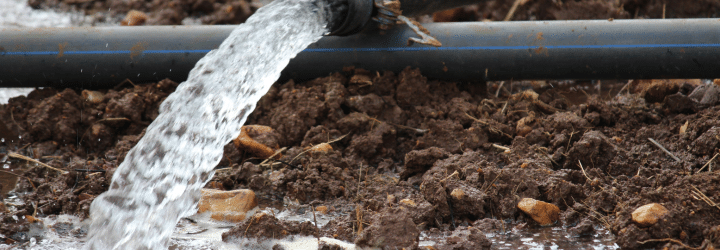
Soil Movement and Ground Shifting
Soil is constantly in motion as it expands and contracts in response to changes in moisture levels. Rainfall, drought, and temperature fluctuations can affect the movement of your soil. Soil with high clay content is more likely to shift. When clay-rich soil becomes saturated with water, it will swell. When it dries out, it will shrink and pull away from your pipes. This motion will eventually put stress on your water line, causing it to crack or shift over time. Nearby excavation, construction, or landscaping can also contribute to ground movement. So even if you haven’t noticed any shifting soil on your property, it’s possible that settling or excavation in a neighbor’s yard or nearby project could impact your buried lines.
Freezing Temperatures
When temperatures drop, water inside your pipes will freeze, expanding in the process. This expansion can cause older or weakened pipes to crack. If the pipe cracks, you will start to see a leak when the ice melts. Typically, small cracks caused by freezing temperatures will eventually become larger breaks if the pipes continue to experience ice formation during subsequent cold snaps.
Tree Root Intrusion
When trees are seeking water, they can send their roots toward your water line. This is particularly true if you have small leaks in your line. Over time, as the roots continue to grow, they will push against the pipe, exerting enough pressure to bend, shift, or crack it. Sometimes the roots will even grow into the pipe, especially if there are small openings for them to seep through, causing blockages and damage.
Aging Pipe Materials
Many older water lines were made from materials that gradually break down. Galvanized steel, cast iron, and early plastic pipes can deteriorate as the years pass. Corrosion, mineral buildup, and general wear can weaken the pipe and reduce its structural strength. As materials age, the line becomes more vulnerable to cracking when temperatures fluctuate or soil shifts. Replacing an aging water line before it fails can help prevent costly repairs and unexpected disruptions.
Poor Installation or Ground Settling
Sometimes water lines are not properly installed. Improper installation can cause a line to shift within a very short time. The line needs to be buried to the correct depth, properly bedded, and fitted with correctly fitted joints. Ground settling can also occur over time, especially in areas where the soil was disturbed during your house’s construction. As the ground settles, the line may shift or separate at the joints. When your water line is misaligned, it can cause small leaks that will worsen over time.
Heavy Surface Loads
The weight of cars, trucks, heavy equipment, driveways, and other structures can put additional pressure on the ground and on anything buried beneath. If your water line is buried too shallow, it may be affected by these surface loads. Over time, the pressure on the line will weaken the pipe. Cracks will slowly form and eventually result in leaks.
Signs of Water Line Damage
Homeowners should be aware of the warning signs that they may have a problem with their underground water line:
- A sudden decrease in water pressure
- Patches of water in your yard or driveway
- An unexplained increase in your monthly water bill
- Puddles of water around the foundation of your home
- Discolored water coming from your faucets
If you notice any of these signs, it’s imperative to have your line inspected. Early detection can help you identify a problem and make a repair before it does major damage.
Schedule a Professional Water Line Inspection
Underground water lines crack and shift for several reasons, including soil movement, freezing temperatures, aging materials, root intrusion, and ground pressure. Problems often develop slowly before becoming visible at the surface. Routine inspections and prompt attention to warning signs can prevent extensive property damage and costly repairs.
Resource: epa.gov
Final Thoughts
At Spotted Dog Excavating, we offer professional water line inspection and repair. Our experienced technicians can inspect the condition of your buried line and help you find a cost-effective solution to restore your water flow. Contact Spotted Dog Excavating Sewer & Water Repair to schedule your inspection and explore repair options for your underground water lines.